

-
Cancers

Colorectal Cancer Screening in Saudi Arabia – Adherence and Barriers
A recent has revealed a “concerningly low” rate of colorectal cancer screening in Saudi Arabia, despite the disease being the most common cancer among Saudi men and the third most common cancer among women. The study, which surveyed 573 adults aged 40 and older across all Saudi regions, found that only 12.7% had ever undergone a colonoscopy, and only 19.5%…
Read More » -
Cancers
Cancer in Elderly Population of MENA Region – The Growing Crisis
Cancer in Elderly Population of MENA Region is a growing crisis. Cancer rates among the “oldest-old” (Individuals aged 85 and above) in the Middle East and North Africa (MENA) region are accelerating at double the global pace. These are the findings of researchers at American University of Beirut Medical Center who analysed data from the Global Burden of Disease (GBD)…
Read More » -
Mental Health
Prevalence of Autism Spectrum Disorder in the MENA Region
A recently published systematic review and meta-analysis offers the most comprehensive assessment to date of the prevalence of Autism Spectrum Disorder in the MENA region. This study, synthesizes data from 19 studies published between 2007 and 2025 collectively covering more than 3.7 million participants across countries such as Iran, Oman, Libya, Egypt, Saudi Arabia, Lebanon, the UAE, Bahrain, Qatar, and…
Read More » -
Public Health
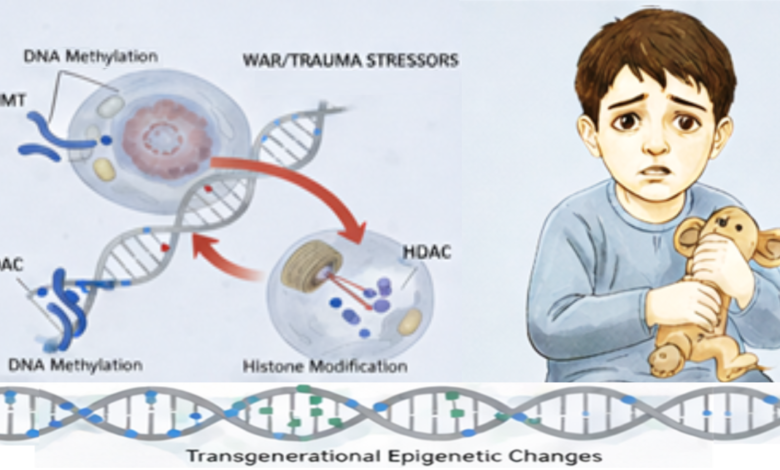
Epigenetic Signatures of Intergenerational Exposure to Violence – Study on three generations of Syrian refugees
The devastating consequences of war are typically measured in terms of displacement and physical harm. However, a groundbreaking study on three generations of Syrian refugees has discovered epigenetic signatures of intergenerational exposure to violence showing that the scars of violence may be written into the very DNA of those affected. Published in Scientific Reports, the study investigates how exposure to…
Read More » -
Non-Communicable Diseases
𝗔𝗻𝘁𝗶-𝗶𝗻𝗳𝗹𝗮𝗺𝗺𝗮𝘁𝗼𝗿𝘆 𝗮𝗻𝗱 𝗔𝗻𝘁𝗶-𝗮𝗿𝘁𝗵𝗿𝗶𝘁𝗶𝗰 𝗽𝗼𝘁𝗲𝗻𝘁𝗶𝗮𝗹 𝗼𝗳 𝗫𝗶𝗺𝗲𝗻𝗶𝗮 𝗰𝗮𝗳𝗳𝗿𝗮 𝗲𝘅𝘁𝗿𝗮𝗰𝘁
A recent study published in Scientific Reports highlights the potential the promising anti-inflammatory and anti-arthritic potential of the seeds of Ximenia caffra (X. caffra) as a natural approach to managing Rheumatoid Arthritis (RA). Researchers from Al-Azhar University, Cairo University, Zigazig University, and Sinai University analyzed the extract’s bioactive profile using Liquid Chromatography High Resolution Mass Spectrometry (LC-HRMS), identifying key compounds…
Read More » -
Public Health
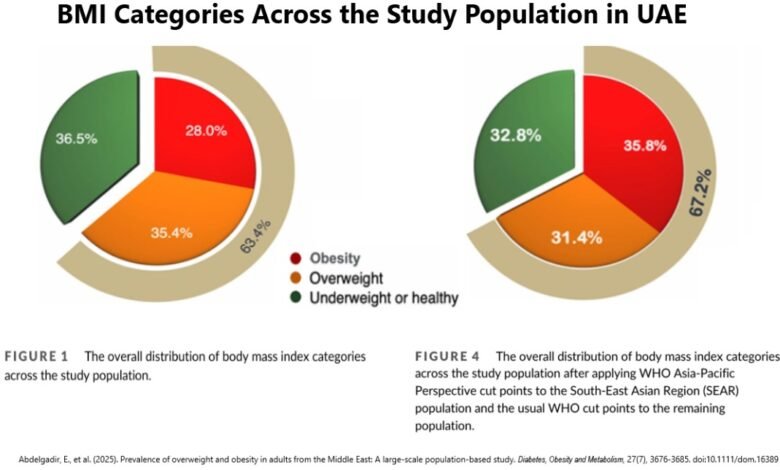
Prevalence of Overweight and Obesity in Adults in Middle East
A landmark study involving over 440,000 adults conducted in UAE has revealed that 63.4% of the total population in UAE was either overweight or obese. This cross-sectional, multi-centre design, population-based study analyzed data of all adults aged >18 years who attended the Dubai Academic Health Corporation (DAHC) between January 2018 and August 2023. Overweight and Obesity (OAO) was defined according…
Read More » -
Cancers
Breast Cancer in the MENA Region – Somatic Mutation Profiling and Therapeutic Landscape
Breast cancer in the MENA region often presents at a younger age and in more advanced stages. While this suggests a unique biological and genetic profile in this region, the available genomic databases lack adequate data from MENA populations to understand the disease drivers and therapeutic opportunities specific to this demographic. To address this gap, researchers at Hamad Bin Khalifa…
Read More » -
Non-Communicable Diseases
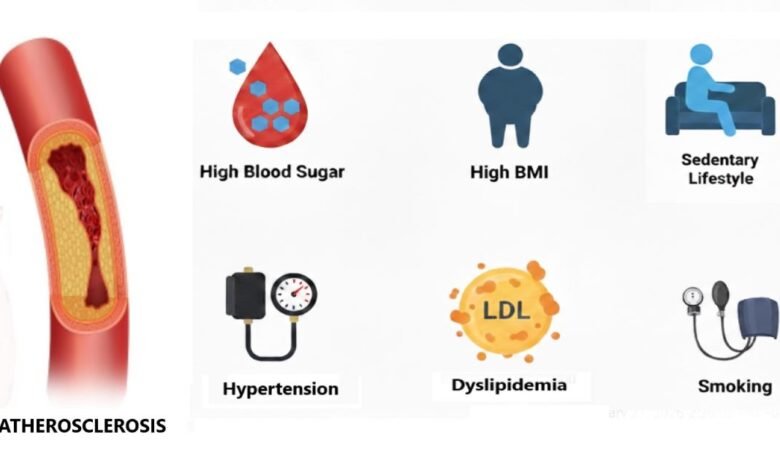
Association of SMuRFS with Cardiovascular Risk Factors, Disease Burden and Pharmacological Management in Middle Eastern Patients
A study published by researchers from Jordan, Saudi Arabia, and Qatar has shed light on how Standard Modifiable Risk Factors (SMuRFs) such as smoking, hypertension, diabetes, and dyslipidemia cluster to accelerate disease progression and increasing the risk of severe outcomes like myocardial infarction and heart failure in Middle Eastern patients. The study comprised of 1,859 patients with a family history…
Read More » -
Cancers
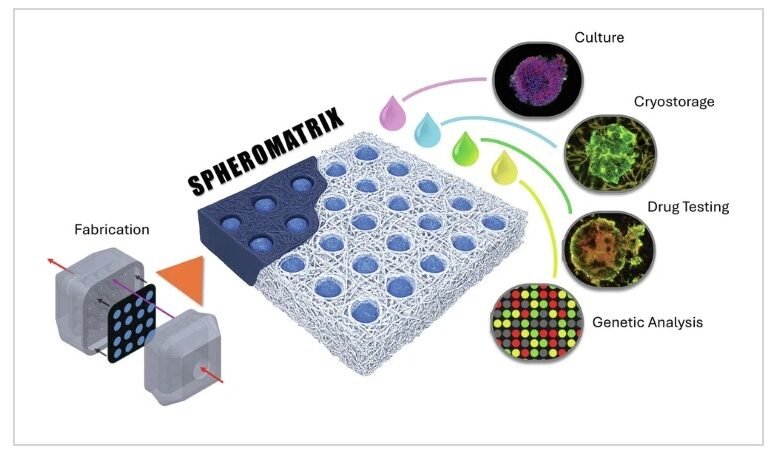
Cancer Drug Testing could be transformed by this new paper based platform: Spheromatrix
Researchers at New York University Abu Dhabi (NYUAD) have developed Spheromatrix, a simple and low-cost technology that enables tumor models to be grown, frozen, and stored for future use in cancer drug testing. The study on development and validation of this technology was recently published in Nature Microsystems & Nanoengineering. Three-dimensional (3D) in vitro tumor models are increasingly recognized as essential…
Read More » -
Non-Communicable Diseases
Adult Vaccinations for Patients with Cardiovascular Diseases – Saudi Heart Association Position Statement
The Saudi Heart Association (SHA) convened a multidisciplinary expert panel to review the literature and develop evidence-based recommendations for adult vaccinations for patients with Cardiovascular diseases (CVDs). Cardiovascular diseases remain the leading cause of death globally, and the burden is particularly high in Saudi Arabia, where mortality and risk factors exceed global rates. Individuals with established CVD are highly vulnerable…
Read More »