

-
Public Health

Value-based healthcare in the GCC: achieving sustainable access to specialty pharmaceuticals
The Gulf Cooperation Council (GCC) nations are at a critical juncture in healthcare, facing a dual challenge: a rising burden of complex, high-cost medical conditions—including cancer, neurological disorders, and rare diseases—and the escalating expense of specialty pharmaceuticals. Traditional volume-based healthcare models are proving inadequate to ensure sustainable and equitable patient access to these life-changing therapies. To navigate this, the GCC…
Read More » -
Mental Health
Mental Health Conditions and Self Stigma Among Saudi Male Adults
A recent cross-sectional study investigated the prevalence of common mental health conditions—depression, anxiety, and stress—and the extent of self-stigma among 612 Saudi males aged 18 and above, highlighting significant public health challenges in the region. The findings reveal notably high levels of common mental health conditions, with results from the Depression, Anxiety, and Stress Scale-21 (DASS-21) indicating that: Depression was…
Read More » -
Infectious Diseases
Epidemiology and seasonality of respiratory syncytial virus in the UAE. A five-year (2018-2022) study at Tawam Hospital
Respiratory Syncytial Virus (RSV) remains a chief cause of severe lower respiratory tract infections and subsequent hospital admissions among infants and young children worldwide. Understanding its local transmission patterns is vital for implementing timely and effective preventative measures, such as monoclonal antibody prophylaxis. Historically, RSV exhibits a predictable seasonal pattern, but the COVID-19 pandemic and associated non-pharmaceutical interventions (NPIs)—like physical…
Read More » -
Cancers
Post-cytotoxic myeloid neoplasms: a MENA region study of clinicopathologic, genetic profile, latency determinants and prognostic predictors
Post-cytotoxic myeloid neoplasms (MN-PCT), also known as therapy-related myeloid neoplasms (t-MN), represent a heterogeneous group of hematologic malignancies that develop after a patient receives cytotoxic chemotherapy or radiotherapy for an unrelated condition. These disorders, which include therapy-related myelodysplastic syndrome (t-MDS), acute myeloid leukemia (t-AML), and myelodysplastic/myeloproliferative neoplasms (t-MDS/MPN) are notorious for their aggressive nature, universally poor survival, and a lack…
Read More » -
Non-Communicable Diseases
Coronary Heart Disease and Type 2 Diabetes Metabolomic Signatures in the Middle East
This recently published research explores the metabolomic profiles of Type 2 Diabetes, both with and without Coronary Heart Disease (CHD), specifically within the largely underrepresented Middle Eastern population, using data from Qatari adults. The study leverages the power of metabolomics to identify potential biomarkers for Type 2 Diabetes and its common complication, CHD. The cross-sectional study analyzed 641 metabolites from…
Read More » -
Public Health
Symptomatic Dry Eye Disease Among Contact Lens Wearers in Jordan
Dry Eye disease (DED) is a common and often debilitating condition for contact lens wearers, frequently leading to discomfort and discontinuation of lens use. To better understand this issue, a cross-sectional study was conducted among 301 contact lens wearers in Jordan. The research aimed to quantify the proportion of symptomatic DED and identify associated modifiable risk factors, particularly in the…
Read More » -
Cancers
Findings from the Saudi National Breast Cancer Screening Program
Breast cancer represents the most prevalent cancer among women in the Kingdom of Saudi Arabia (KSA). To enhance early detection efforts, a detailed analysis was conducted on the data collected from the Saudi National Breast Cancer Early Detection Program The research focused on characterizing the participants and identifying predictors of positive mammography findings. A total of 8,348 Saudi women aged…
Read More » -
Public Health
Parents’ Attitudes Toward Consanguinity Despite Autosomal Recessive Disease in Children
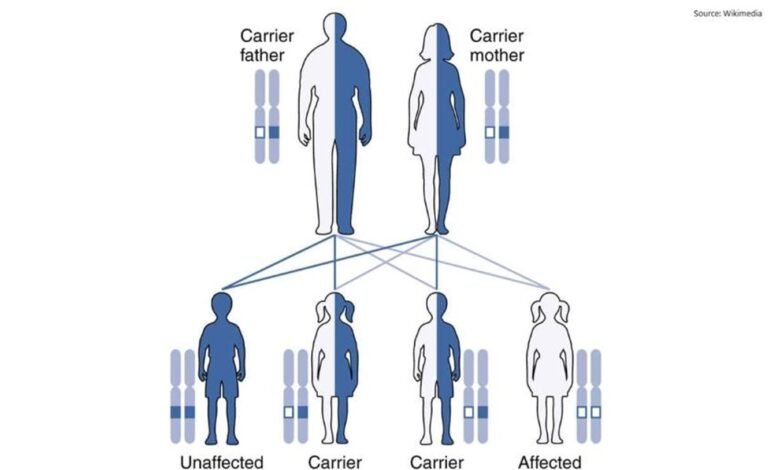
Consanguineous marriages (cousin marriages), particularly common in Arab and Middle Eastern countries (MENA), are associated with an increased risk of autosomal recessive (AR) genetic disorders. This study examined the views of parents in Kuwait with at least one child affected by an AR disease (the clinical sample) compared to non-consanguineous parents (the community sample). A total of 285 parents completed…
Read More » -
Neuroscience
Expert Guidance on Diagnosing and Managing Cognitive Impairment in Alzheimer’s Disease in the UAE – A Seven-Step Framework
The diagnosis and management of Cognitive Impairment (CI) and Alzheimer’s Disease (AD) pose a growing global health challenge. While international guidelines exist, their local implementation in the United Arab Emirates (UAE) is often limited by unique cultural factors and specific healthcare resource constraints. To address this gap, a task force of UAE neurologists and collaborators was convened to develop evidence-based…
Read More » -
Public Health
Colorectal Cancer Screening Barriers in the UAE: A Call for Enhanced Public and Physician Education
Colorectal cancer (CRC) is a global health challenge and a major health burden within the United Arab Emirates (UAE). Despite the launch of a national CRC screening program in Abu Dhabi in 2014, a mixed-methods study aimed to understand the persistent issue of low participation and adherence among the adult population in Al-Ain has uncovered major screening barriers. The research,…
Read More »