

Non-Communicable Diseases
-

𝗔𝗻𝘁𝗶-𝗶𝗻𝗳𝗹𝗮𝗺𝗺𝗮𝘁𝗼𝗿𝘆 𝗮𝗻𝗱 𝗔𝗻𝘁𝗶-𝗮𝗿𝘁𝗵𝗿𝗶𝘁𝗶𝗰 𝗽𝗼𝘁𝗲𝗻𝘁𝗶𝗮𝗹 𝗼𝗳 𝗫𝗶𝗺𝗲𝗻𝗶𝗮 𝗰𝗮𝗳𝗳𝗿𝗮 𝗲𝘅𝘁𝗿𝗮𝗰𝘁
A recent study published in Scientific Reports highlights the potential the promising anti-inflammatory and anti-arthritic potential of the seeds of Ximenia caffra (X. caffra) as a natural approach to managing Rheumatoid Arthritis (RA). Researchers from Al-Azhar University, Cairo University, Zigazig University, and Sinai University analyzed the extract’s bioactive profile using Liquid Chromatography High Resolution Mass Spectrometry (LC-HRMS), identifying key compounds…
Read More » -
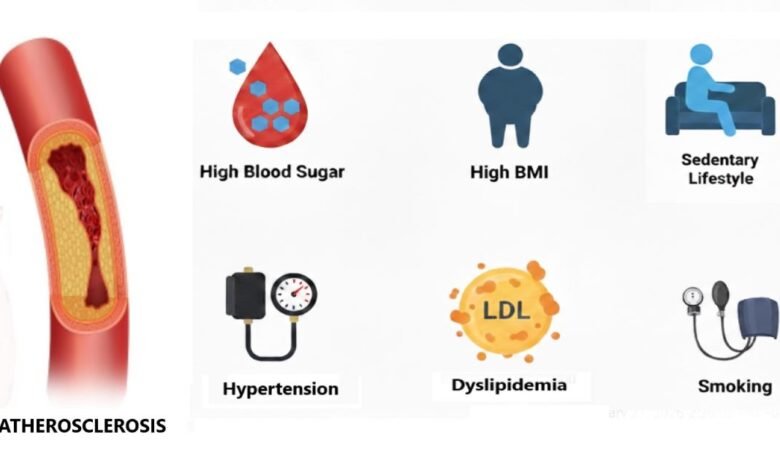
Association of SMuRFS with Cardiovascular Risk Factors, Disease Burden and Pharmacological Management in Middle Eastern Patients
A study published by researchers from Jordan, Saudi Arabia, and Qatar has shed light on how Standard Modifiable Risk Factors (SMuRFs) such as smoking, hypertension, diabetes, and dyslipidemia cluster to accelerate disease progression and increasing the risk of severe outcomes like myocardial infarction and heart failure in Middle Eastern patients. The study comprised of 1,859 patients with a family history…
Read More » -
Adult Vaccinations for Patients with Cardiovascular Diseases – Saudi Heart Association Position Statement
The Saudi Heart Association (SHA) convened a multidisciplinary expert panel to review the literature and develop evidence-based recommendations for adult vaccinations for patients with Cardiovascular diseases (CVDs). Cardiovascular diseases remain the leading cause of death globally, and the burden is particularly high in Saudi Arabia, where mortality and risk factors exceed global rates. Individuals with established CVD are highly vulnerable…
Read More » -
Diabetic Foot Ulcer Infections – Carbapenemase Producing Multidrug Resistant Organisms
Diabetic foot ulcers (DFUs) represent one of the most severe and debilitating complications of diabetes, frequently necessitating non-traumatic lower-limb amputations. The clinical challenge of managing DFUs has been profoundly aggravated by the rising prevalence of multidrug-resistant (MDR) bacteria. Among the most alarming of these MDR pathogens are the carbapenemase and extended-spectrum β-lactamases (ESBLs) producing Gram-negative bacteria, including Escherichia coli and…
Read More » -
Lipoprotein(a) Knowledge, Awareness, and Clinical Practice Among Physicians in the Arabian Gulf Region
A study of 1069 physicians across the Arabian Gulf region (Saudi Arabia, Oman, United Arab Emirates, Qatar, Kuwait, and Bahrain) revealed a general limited knowledge and awareness of Lipoprotein(a) (Lp[a]). Lp(a) is a promising biomarker with the potential to improve atherosclerotic cardiovascular disease risk assessment. The overall mean knowledge score was modest (M = 9.0 ±3.5) out of a possible…
Read More » -
Coronary Heart Disease and Type 2 Diabetes Metabolomic Signatures in the Middle East
This recently published research explores the metabolomic profiles of Type 2 Diabetes, both with and without Coronary Heart Disease (CHD), specifically within the largely underrepresented Middle Eastern population, using data from Qatari adults. The study leverages the power of metabolomics to identify potential biomarkers for Type 2 Diabetes and its common complication, CHD. The cross-sectional study analyzed 641 metabolites from…
Read More » -
Long Term PPI Use Linked to Increased Hypertension Risk in Menopausal Women
New research published in the Journal of the American Heart Association indicates a significant association between long-term use of proton pump inhibitors (PPIs) and an increased risk of developing hypertension in menopausal women. This extensive observational study, drawing data from the Women’s Health Initiative Observational Study (WHI-OS), highlights a concerning trend, particularly with prolonged use of these commonly prescribed medications.…
Read More »