

Adult Vaccinations for Patients with Cardiovascular Diseases – Saudi Heart Association Position Statement


The Saudi Heart Association (SHA) convened a multidisciplinary expert panel to review the literature and develop evidence-based recommendations for adult vaccinations for patients with Cardiovascular diseases (CVDs).
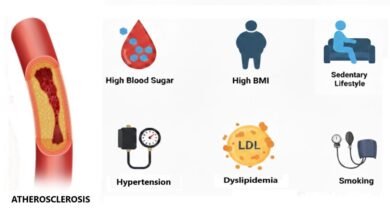
Cardiovascular diseases remain the leading cause of death globally, and the burden is particularly high in Saudi Arabia, where mortality and risk factors exceed global rates. Individuals with established CVD are highly vulnerable to severe complications from vaccine-preventable infections. Despite this, adult vaccination is often underutilized.
Acute viral illnesses, particularly respiratory infections, can trigger cardiovascular events in several ways. These infections activate the immune system, create a thrombogenic environment, destabilize existing plaques, and disrupt endothelial and metabolic functions. The diverse mechanisms lead to vascular, myocardial, and systemic complications.
For example, influenza is linked to complications like heart failure (HF) and stroke via acute plaque rupture and systemic inflammation. Similarly, COVID-19 can cause myocarditis, arrhythmias, and acute coronary syndrome. Respiratory Syncytial Virus (RSV) can worsen existing CVD, leading to increased risk of myocardial infarction, stroke, and HF. Underlying CVDs also exacerbate the severity and mortality risk following these viral illnesses.
The comprehensive evaluation done by SHA found that evidence from randomized controlled trials (RCTs), observational studies, and real-world data supports the crucial role of vaccines in lowering the risk of major adverse cardiovascular events (MACE) in individuals with CVD.
The Recommended Vaccinations
The SHA recommends that age-appropriate vaccinations be integrated as an essential part of cardiovascular care for adults with established CVD. The recommended vaccines include:
- Influenza: Vaccination is associated with a reduction in mortality and hospitalizations in CVD patients. Trials showed a 28% reduction in MACE and a 41% reduction in cardiovascular mortality when administered within three days of hospitalization for myocardial infarction. Meta-analyses confirm a MACE reduction of at least 25%, rising to 45% for those with a recent coronary syndrome. A high-dose vaccine is preferred for adults aged 60 and above due to superior immunogenicity.
- COVID-19: Patients with CVD face a significantly more severe course of COVID-19. Vaccination has demonstrated cardioprotective effects, including a 19–60% reduction in MACE and myocardial infarction risk, and a 27–55% reduction in atrial fibrillation and HF risk.
- Respiratory Syncytial Virus (RSV): RSV is a major cause of hospitalization and mortality in high-risk adults, including those with CVD. Two vaccines (RSVPreF3 and RSVpreF) are approved for adults 60 and older, with RSVPreF3 having an expanded indication for high-risk adults aged 50 and older. Real-world evidence suggests RSVpreF significantly reduces hospitalization for myocardial infarction and heart failure
- Herpes Zoster: The recombinant subunit zoster vaccine (RZV, Shingrix) is preferred for all individuals aged 50 and older. Data suggests RZV may reduce the risk of CVD by 21%, with one study reporting an 18% reduction in myocardial infarction risk.
- Pneumococcal Disease: Pneumococcal vaccination significantly reduces the risk of acute myocardial infarction, especially in individuals aged 65 and older. It is also associated with reduced incidence of heart failure and related hospitalizations.
- Meningococcal Disease: The SHA recommends this as an age-appropriate immunization for adults with established CVD.
SHA’s recommendations emphasize the need for routine vaccine assessment and integration into cardiology practice. This is vital because adult immunization rates in Saudi Arabia are generally low, with influenza coverage rarely exceeding one-third of the general population.
Leveraging high-risk periods, such as the Hajj and Umrah pilgrimages, is crucial for vaccination outreach, as an additional influenza peak has been observed around these times in Saudi Arabia. Co-administration of vaccines, such as influenza and COVID-19, is an effective strategy to boost coverage.
Reference Source:
Alhabeeb, Waleed; Farahat, Fayssal M; Alshamrani, Majid; Aldahash, Raed; Al-Moamary, Mohamed S.; Balghith, Mohammed; and Hanfi, Yassmin (2025) “Saudi Heart Association Position Statement on Adult Vaccinations for Patients with Cardiovascular Diseases,” Journal of the Saudi Heart Association: Vol. 37 : Iss. 4 , Article 12.
Available at: https://doi.org/10.37616/2212-5043.1461