

In the United Arab Emirates (UAE), Indoor Air Pollution has become an exceptionally important health issue. Weather conditions like extreme summer temperatures frequently exceeding 42°C (108°F) force residents to spend prolonged periods indoors in tightly sealed, air-conditioned buildings. This high indoor exposure, combined with significant outdoor fine particulate matter (PM2.5) from windblown desert dust and anthropogenic sources, has raised serious concerns about indoor air quality (IAQ).
Previous studies have shown alarming results. A 2009-2010 study of 628 Emirati homes found that over half exceeded the World Health Organization (WHO) annual targets for average fine particulate matter (PM2.5). This indoor pollution was linked to an estimated 153 deaths and 21,800 non-fatal illness medical visits in 2008. More recent, smaller-scale studies have also detected high levels of pollutants like formaldehyde in residences.
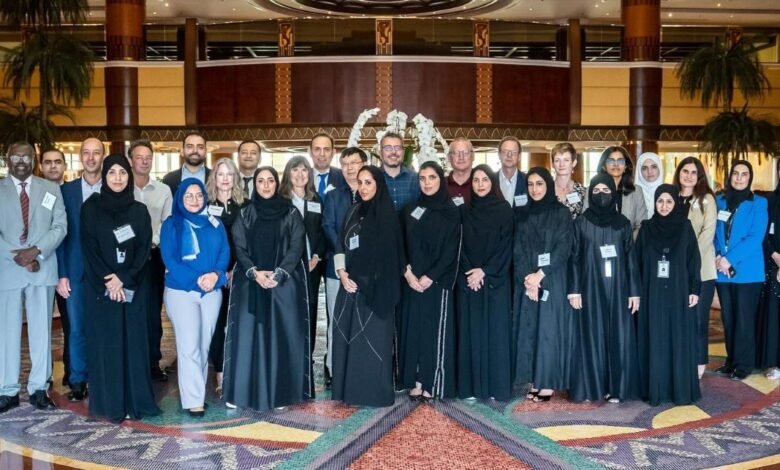
To address this knowledge gap, the Abu Dhabi Public Health Centre (ADPHC) commissioned a study to establish a national research program to investigate and improve IAQ across the country. To develop this strategy, a two-day workshop was organized, bringing together international and local experts in indoor air quality. The workshop employed a structured nominal group technique to identify knowledge gaps, prioritize research needs, and identify potential collaborators. Following the workshop, a survey was conducted to further refine the research priorities and assess the interest of various organizations in participating in the proposed program.
The study identified several key research priorities with a major focus to understand the specific health effects of indoor air pollutants on the UAE population. This includes investigating the link between IAQ and respiratory illnesses, cardiovascular diseases, and other health conditions. Another critical area identified is the improvement of ventilation and air filtration systems in buildings. Experts recognized that current IAQ management guidelines, such as those from the American Society of Heating, Refrigerating and Air-Conditioning Engineers (ASHRAE), may be inadequate due to the UAE’s unique combination of factors: modern, energy-efficient buildings; high ambient particulate matter from desert dust; and distinct cultural practices, such as the burning of incense. Existing Western standards do not fully account for these conditions.
Experts also emphasized the importance of establishing a National Indoor Air Quality Observatory. This observatory would collect and analyze data from various indoor environments, including residences, schools, and workplaces, to create a comprehensive database of IAQ conditions. This data would be crucial for informing public health policies and interventions.
The proposed strategy calls for a government-led, multi-stakeholder program to coordinate research and implementation efforts. The ADPHC is positioned to lead this initiative, working in collaboration with government agencies, academic institutions, and private sector partners. The study identified 79 potential partner organizations and assessed their power and interest in influencing the research agenda.
The study suggests that a well-funded and coordinated national program is essential for the successful implementation of the research strategy. The authors also highlight the need for public awareness campaigns to educate residents about the importance of IAQ and simple measures they can take to improve it in their homes.
In conclusion, this research provides a roadmap for the UAE to address the challenges of indoor air pollution. By establishing a national research program, the country can develop evidence-based policies and interventions to improve public health and well-being. The findings and recommendations of this study are not only relevant to the UAE but also to other countries in the region with similar climatic and social conditions. The successful implementation of this strategy could position the UAE as a leader in indoor air quality research and management.
Reference Source
Jacqueline MacDonald Gibson, Rahaf Ajaj, Ahmed Al Khazraji, et al. “An indoor air pollution research strategy for the United Arab Emirates.” Indoor Environments, Vol. 2 (2025), article 100086. DOI: https://doi.org/10.1016/j.indenv.2025.100086